

Rhinoplasty is a surgical procedure performed for aesthetic reasons or to correct breathing problems. However, some patients worry that they may have difficulty breathing after the operation, or actually experience it. So do breathing problems really occur after rhinoplasty? In this article we answer this question from a specialist’s perspective.
What Is Rhinoplasty?
Rhinoplasty is a surgical intervention to improve the outer appearance of the nose, correct deformities and, where necessary, improve nasal function. It can deliver both aesthetic and functional benefits.
Is It Normal to Have Trouble Breathing After Rhinoplasty?
Mild difficulty breathing through the nose is common in the first few days after rhinoplasty. It is usually caused by:
- swelling (oedema) inside the nose,
- crusting,
- nasal packing,
- tissue healing after surgery.
In most patients these problems are temporary and resolve on their own within the first few weeks.
What Causes Permanent Breathing Problems?
Permanent breathing problems after rhinoplasty are usually structural. They include:
- An insufficiently corrected deviated septum: if the internal deviation was not corrected during rhinoplasty, it can cause shortness of breath.
- Valve collapse: when the side walls of the nose weaken, the nostrils collapse and airflow is blocked.
- Excessive tissue removal: reducing the nose too much for aesthetic reasons can narrow the airway and make breathing difficult.
- Inadequate technique: aesthetic procedures performed by inexperienced hands can cause problems with both appearance and function.
How Are Breathing Problems Treated?
If a breathing problem has become permanent, a new assessment is needed. Treatment options include:
- Medical treatment: nasal sprays or anti-allergy medication can be used to reduce swelling.
- Revision rhinoplasty: a second operation may be needed to correct structural problems.
- Functional surgery: procedures aimed not at appearance but at restoring nasal function.
What Can You Do to Breathe Freely?
Patients considering rhinoplasty should consult an experienced ENT specialist who cares not only about the appearance of the nose but also about how it works. A surgeon experienced in both aesthetic and functional aspects is the best guarantee of comfortable breathing after surgery.
Conclusion
Breathing problems after rhinoplasty are usually temporary, although permanent problems can develop in some cases. Choosing the right surgeon and having a thorough assessment are key to minimising these risks. Remember: a beautiful nose is only complete with healthy breathing.
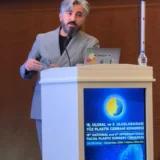
ENT and Head & Neck surgeon. Graduated from Istanbul Faculty of Medicine, trained at the Department of Anatomy of Pamukkale University and completed his residency at Celal Bayar University. Focused on natural, functional rhinoplasty in Denizli.
Read the full profile →

